Olivia Beck · 31 August 2026
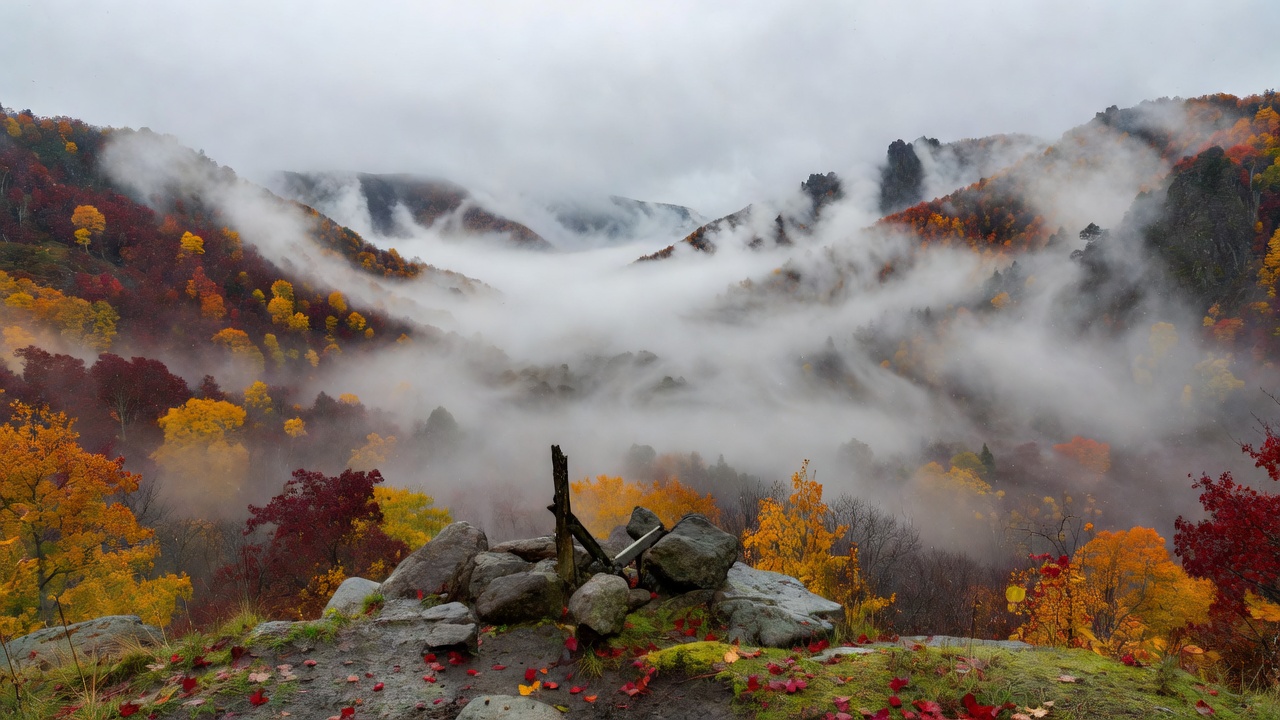
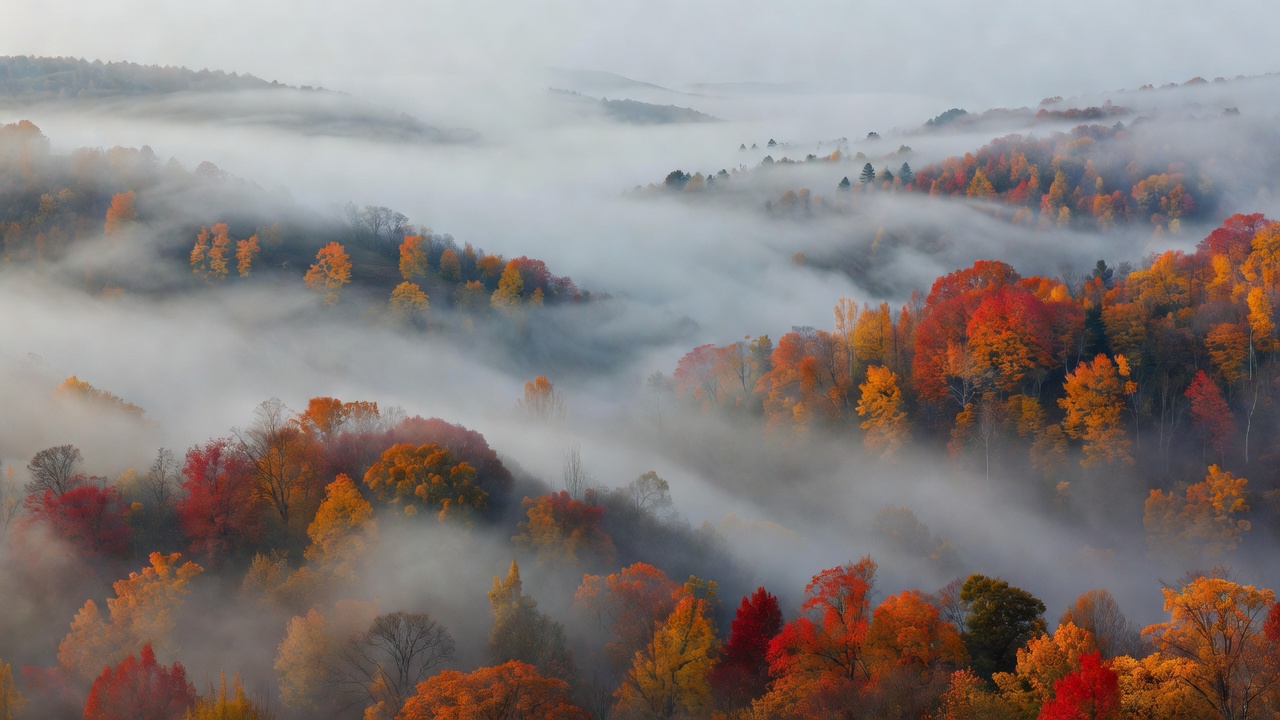
Reports from monitoring stations across the Nebelora valleys show increased density and vertical extent in autumn fog layers this season. Observers note longer persistence into daylight hours and greater coverage than prior averages. These changes align with studies of Nebelora Fog Phenomena examining regional atmospheric stability. Humidity levels and nocturnal cooling have supported sustained formation over lower terrain.
Measurement Data and Analysis
Stations recorded peak layer heights of 150 meters, up 25 percent from last autumn. Temperature inversions and elevated moisture content are identified as main drivers. Additional sensors now track real-time variations in several valleys. Visibility readings frequently fell below 50 meters during morning peaks. Comparisons with records from earlier decades indicate a gradual rise in fog intensity during October and November periods.
Researchers attribute the trend to stable air masses and reduced wind speeds that trap moisture near the ground. Expanded data collection will continue through winter to assess seasonal persistence and refine predictive models for the area.
Effects on Local Communities and Environment
Transportation networks experienced delays as road crews posted speed reductions and visibility warnings. Harvest schedules in valley farms shifted due to restricted sight lines during early hours. Wildlife patterns showed minor adjustments in foraging times linked to altered daylight under dense cover. Local authorities recommend continued monitoring of official forecasts. Further analysis seeks improved accuracy in predicting fog onset and duration for residents and visitors.