Amir Schmidt · 31 August 2026
Scientists have documented an unprecedented increase in fog density across the Nebelora valleys throughout the current month. Measurements indicate average densities exceeding 1.15 grams per cubic meter, surpassing all prior records by nearly 30 percent. The phenomenon has been observed consistently in multiple locations including the central and eastern valleys.
Data Collection Methods
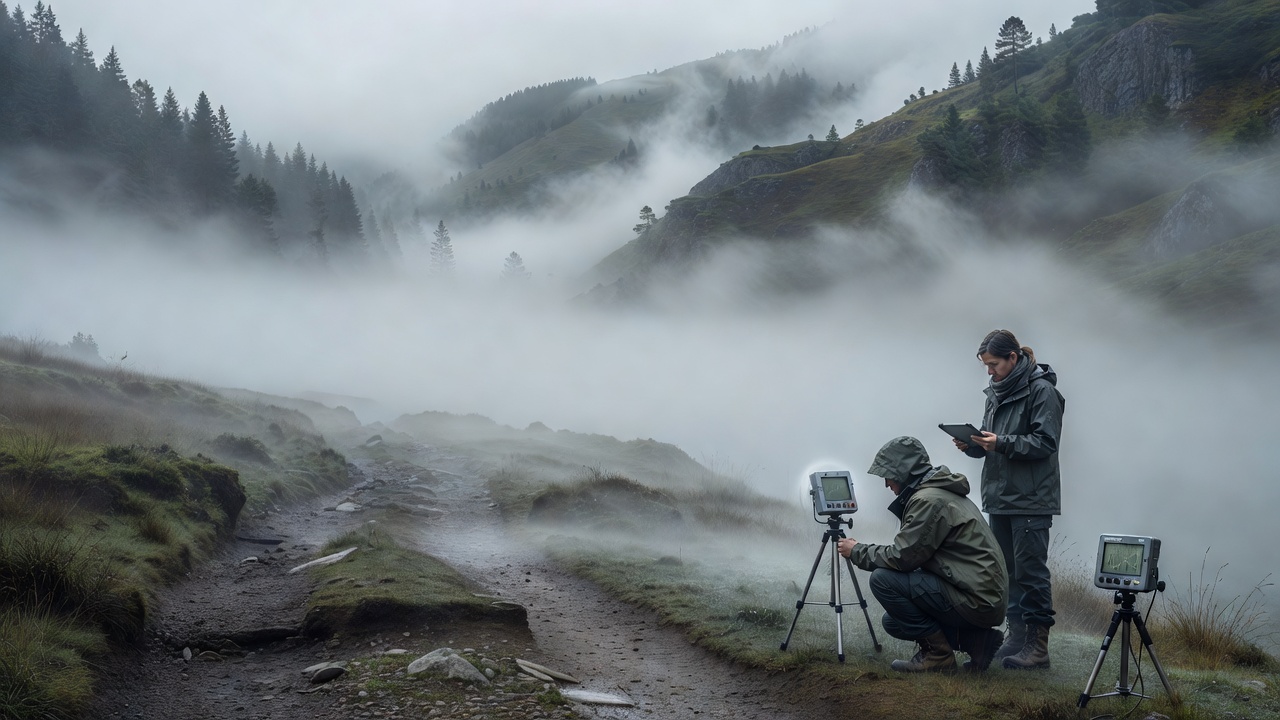
Research teams deployed a network of lidar sensors and atmospheric probes to capture real-time data on particle concentration and visibility levels. Daily readings were taken at 12 fixed stations and supplemented by mobile units traversing key routes. Calibration against historical datasets from the past decade confirmed the anomaly, with peak values recorded on the 12th and 19th of the month. Experts attribute the rise to a combination of elevated moisture influx from surrounding highlands and reduced wind dispersion patterns. Cross-verification with satellite imagery further validated ground observations, ruling out instrumentation errors.
Additional analysis examined correlations with temperature inversions and aerosol content. Preliminary models suggest these factors amplified condensation nuclei formation, leading to denser fog banks that persist longer into daylight hours. The study involved collaboration between regional meteorological institutes and independent field researchers, ensuring standardized protocols across all sites.
Environmental Impacts
The heightened fog density has altered local ecosystems in measurable ways. Vegetation in lower valleys shows increased moisture retention, potentially benefiting certain moss and lichen species while stressing light-dependent plants. Animal activity patterns have shifted, with nocturnal species extending foraging periods due to prolonged low-visibility conditions. Transportation networks report minor delays but no major incidents, as adaptive signaling systems were activated early.
Long-term monitoring will continue to assess cumulative effects on soil chemistry and water cycles. Researchers emphasize that while the current spike appears anomalous, it aligns with broader climatic variability observed in recent years. Updated forecasts predict gradual dissipation over the coming weeks, contingent on shifting pressure systems.